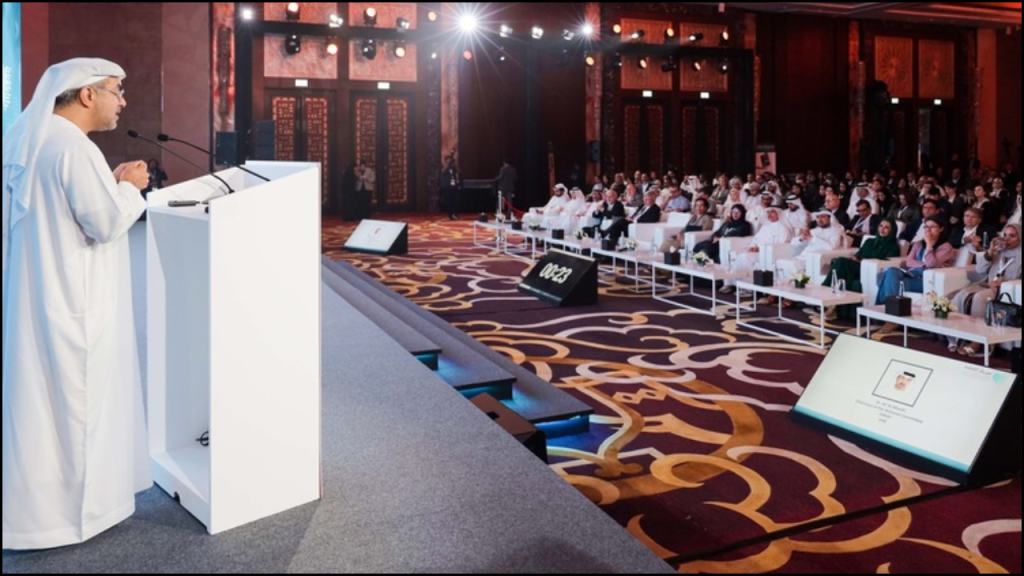
Hayat Congress operates under a well-defined leadership structure designed to ensure effective governance, smooth program execution, and inclusive decision-making. This structure allows the organization to coordinate events, youth programs, cultural initiatives, and community outreach efficiently while maintaining transparency and accountability.
The leadership framework combines strategic guidance, operational oversight, and participatory management to involve community members, volunteers, and partner organizations in meaningful ways. Clear roles and responsibilities ensure that all programs align with the congress’s mission of fostering dialogue, social awareness, youth development, and cultural preservation.
Table of Contents
Leadership Overview
| Role | Responsibility |
|---|---|
| Executive Board | Strategic planning, policy approval, oversight of all programs |
| Advisory Council | Guidance on initiatives, youth programs, cultural and social projects |
| Program Directors | Day-to-day management of events, workshops, and volunteer initiatives |
| Regional Coordinators | Local program implementation, community liaison, volunteer supervision |
| Volunteers and Ambassadors | Support operations, facilitate engagement, and promote participation |
Executive Board
The Executive Board is responsible for overall governance, strategy, and ensuring that the congress achieves its mission effectively.
Key responsibilities include:
- Developing organizational policies and strategic plans
- Approving major programs and initiatives
- Overseeing financial management and resource allocation
- Ensuring ethical governance and transparency
- Representing Hayat Congress in partnerships and public forums
The board provides the vision and direction for all congress activities.
Advisory Council
The Advisory Council provides expert guidance and recommendations on programs and initiatives, supporting the Executive Board in decision-making.
Responsibilities include:
- Offering insights on youth programs and leadership development
- Advising on cultural preservation and community engagement projects
- Evaluating program effectiveness and suggesting improvements
- Supporting collaboration with NGOs and local organizations
- Ensuring initiatives align with community needs
The council brings specialized knowledge and experience to enhance program quality.
Program Directors
Program Directors manage the planning and execution of all Hayat Congress programs, including events, workshops, seminars, and volunteer activities.
Core responsibilities include:
- Designing program agendas and schedules
- Coordinating event logistics and resources
- Supervising staff and volunteer teams
- Monitoring program outcomes and participant engagement
- Reporting progress to the Executive Board
Directors ensure that initiatives are implemented efficiently and meet organizational objectives.
Regional Coordinators
Regional Coordinators act as liaisons between the central leadership and local communities, ensuring outreach programs reach a wide audience.
Their duties include:
- Implementing local workshops, community forums, and events
- Supervising local volunteers and youth participants
- Gathering community feedback for program improvement
- Maintaining communication with the Executive Board and Program Directors
- Supporting local partnerships and collaborations
These coordinators ensure programs are adapted to local needs and contexts.
Volunteers and Ambassadors
Volunteers and Ambassadors play a vital role in executing programs, facilitating participation, and representing Hayat Congress in community spaces.
Key contributions include:
- Assisting with event coordination and logistics
- Promoting awareness campaigns and initiatives
- Engaging participants in workshops and activities
- Providing feedback to program leaders
- Supporting youth mentorship and cultural projects
Volunteers and ambassadors extend the congress’s reach and enhance participant engagement.
Decision-Making Process
Hayat Congress employs a participatory decision-making model that balances centralized leadership with community input.
Features include:
- Collaborative planning sessions involving board members, council, and program directors
- Inclusion of volunteer and community feedback in program design
- Transparent approval processes for major initiatives
- Regular review meetings to monitor progress and adapt strategies
This ensures decisions are informed, inclusive, and aligned with the congress’s mission.
Accountability and Reporting
Leadership accountability is maintained through regular reporting, program evaluation, and transparent communication.
Practices include:
- Periodic leadership reports to stakeholders
- Monitoring and assessment of program effectiveness
- Feedback channels for participants and volunteers
- Compliance with ethical and governance standards
These measures reinforce trust, transparency, and organizational efficiency.
Leadership Development
Hayat Congress invests in leadership development for emerging members and youth participants to ensure continuity and long-term sustainability.
Development strategies include:
- Mentorship programs with experienced leaders
- Training sessions on project management, communication, and ethics
- Opportunities for youth and volunteers to take leadership roles in initiatives
- Evaluations and feedback to foster growth
Leadership development prepares the next generation to sustain and expand the congress’s impact.
In Summary
The leadership structure of Hayat Congress ensures effective governance, operational efficiency, and inclusive participation. From the Executive Board and Advisory Council to Program Directors, Regional Coordinators, and volunteers, each role contributes to achieving the organization’s mission. Clear responsibilities, transparent decision-making, and ongoing leadership development enable Hayat Congress to deliver impactful programs, strengthen community engagement, and promote social awareness, youth empowerment, and cultural preservation.